From Formats to Ecosystems
The Future of Retail Is Not a Store — It Is a Relationship Architecture
— INSIGHTS & PERSPECTIVES
Reflections on retail transformation, pop-up strategy, luxury brand evolution, and the future of consumer experience — from two decades at the intersection of academia and practice.
— ALL ARTICLES(29)

The Future of Retail Is Not a Store — It Is a Relationship Architecture

Why Temporary Formats Create Permanent Brand Value

What Physical-Digital Integration Actually Means for Store Design and Consumer Behaviour

Beyond Black and White — The Spectrum from Transactional to Experiential and the Future of Retail Formats

Understanding the Spectrum That Defines Modern Store Formats

Building a Foundation — Not for Automation — But for Comprehensive Integration

Decoding Retail is not about theory. It is about understanding retail as it truly is — in its full complexity, its contradictions, and its opportunity. A knowledge initiative built around one essential objective: talking about real retail and its lived reality.

Holistic Brand Management in the Age of Experiential Commerce

Can Every Brand Truly Be Omnichannel — or Is 'Partial' the More Honest Answer?

What It Is — How It Is Managed — and What It Can Yield to Brands

How Brands Can Participate in the Secondary Market Without Diluting Their Core Value

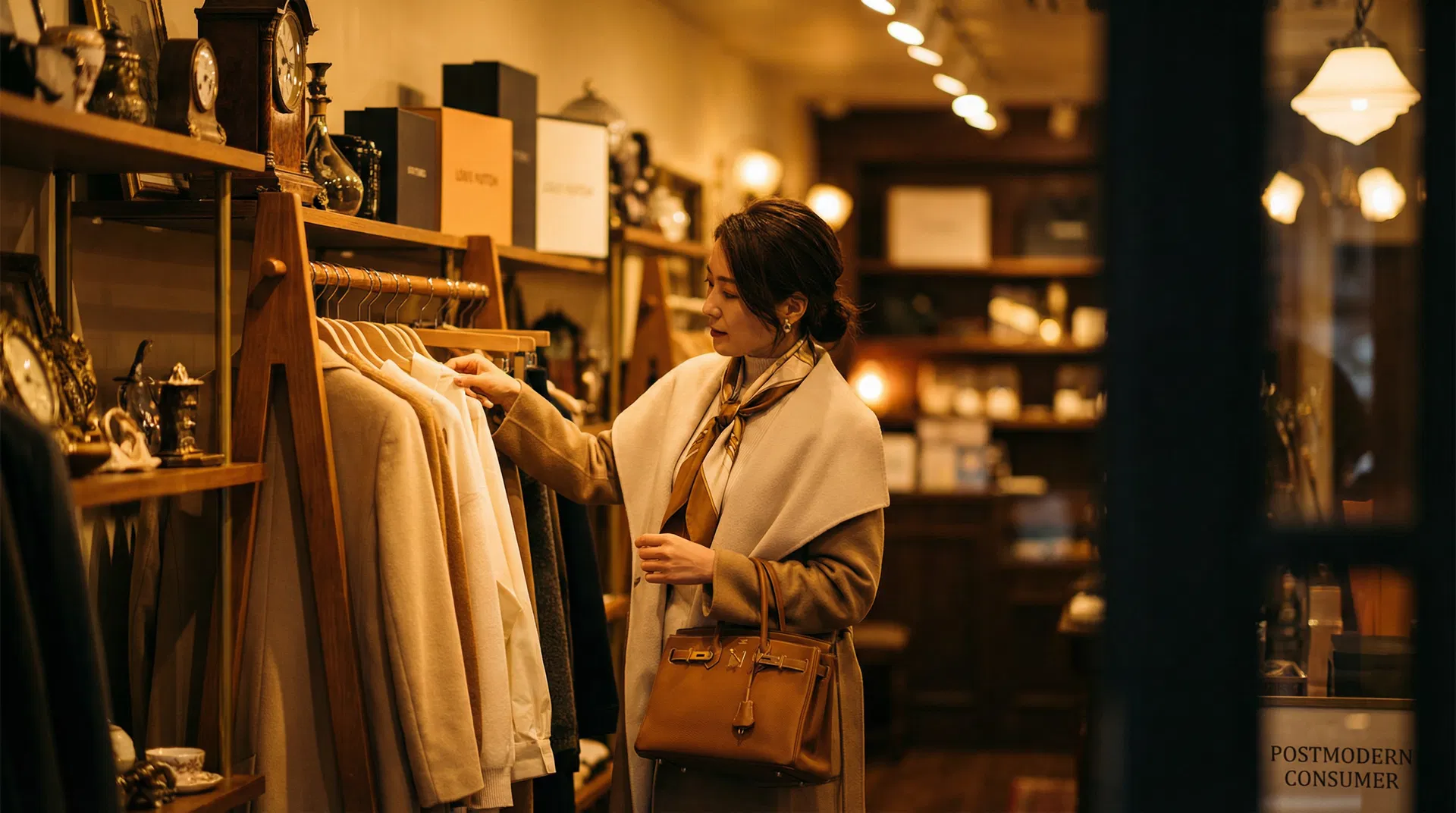
Why Re-Commerce Is No Longer a Niche — and What It Means for Brands Right Now

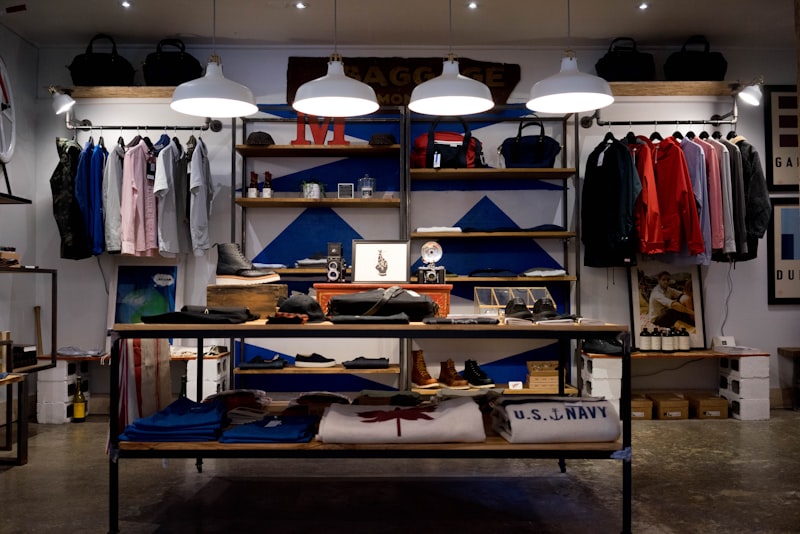
Physical retail has always been about more than selling things. From the moment the first grand department stores opened their doors in the mid-19th century, the best commercial spaces understood that what they were really selling was an experience , a way of being in the world,

The decline of mass-market retail is not an accident of technology. It is the logical consequence of a profound shift in how people understand themselves , and what they expect from the brands and spaces they choose to engage with.

Two decades of retail research have taught me one thing: the loudest obituaries are always written by people who never truly understood what a store was for in the first place.

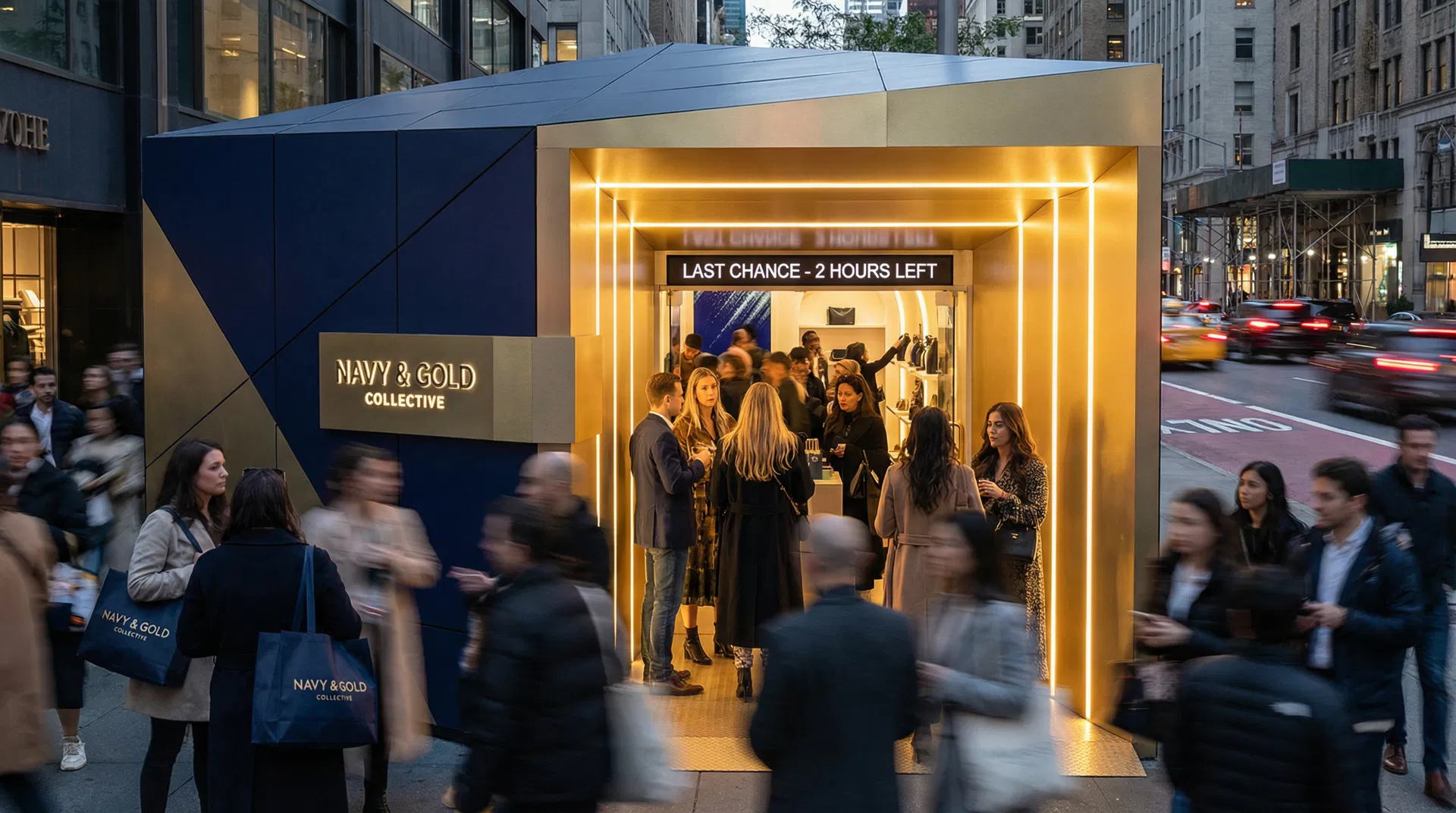
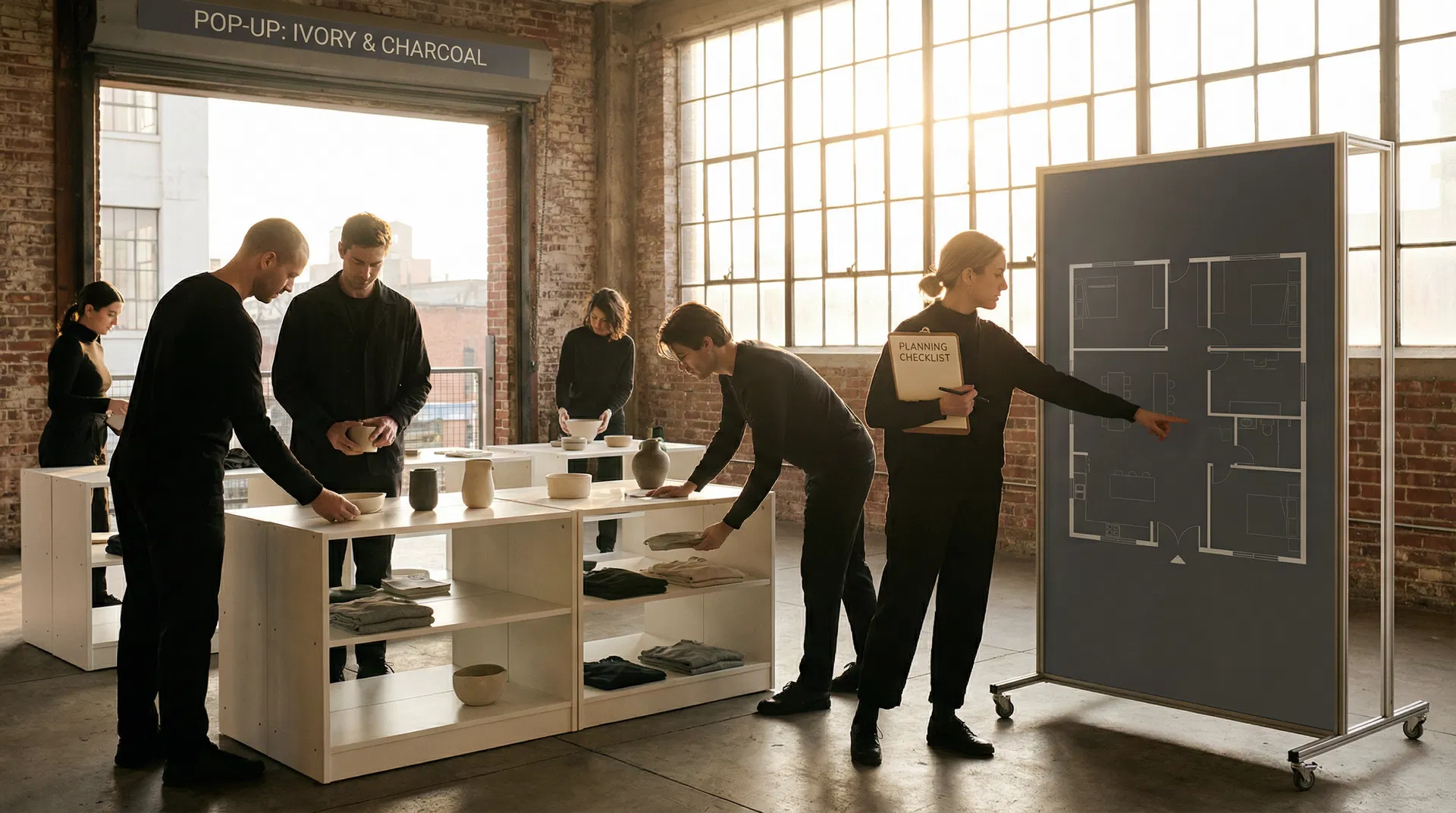
Opening a pop-up is deceptively easy. Opening one that actually delivers , commercially, strategically, and experientially , is a different matter entirely. Here is what twenty years of research and fieldwork have taught me about what separates the ones that work from the ones th

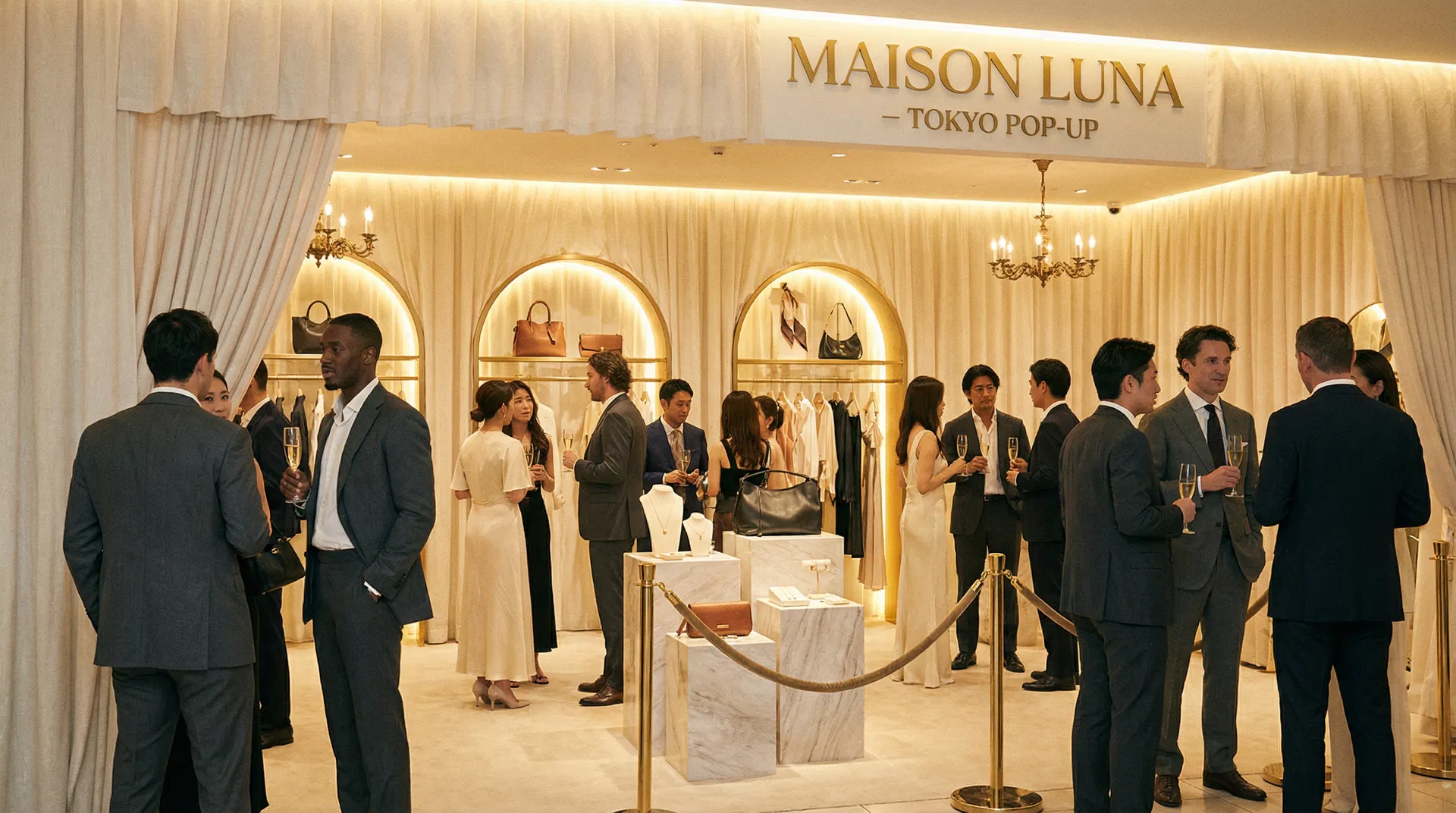
For too long, pop-up stores have been treated as a novelty , a flashy shortcut to press coverage. After twenty years of research and practice, I want to make the case for something more serious: the pop-up as one of the most sophisticated strategic tools available to a brand toda

I have spent my career observing how luxury works , not as marketing, but as a system of meaning. What I have learned is that the brands that endure are never the ones that charge the most. They are the ones that understand something about human desire that goes deeper than price.

Expanding into a new market has always been one of the most consequential , and costly , decisions a fashion brand can make. The pop-up store changes that equation entirely. Here is how to use it as your most intelligent market intelligence tool.

The brands that win in the next decade will not be the ones with the best products. They will be the ones with the clearest perspective on the world , and the courage to express it consistently, everywhere.

The hotel lobby, the restaurant floor, the concierge desk , these are not just hospitality spaces. They are masterclasses in experience design. Retail has everything to learn from them.

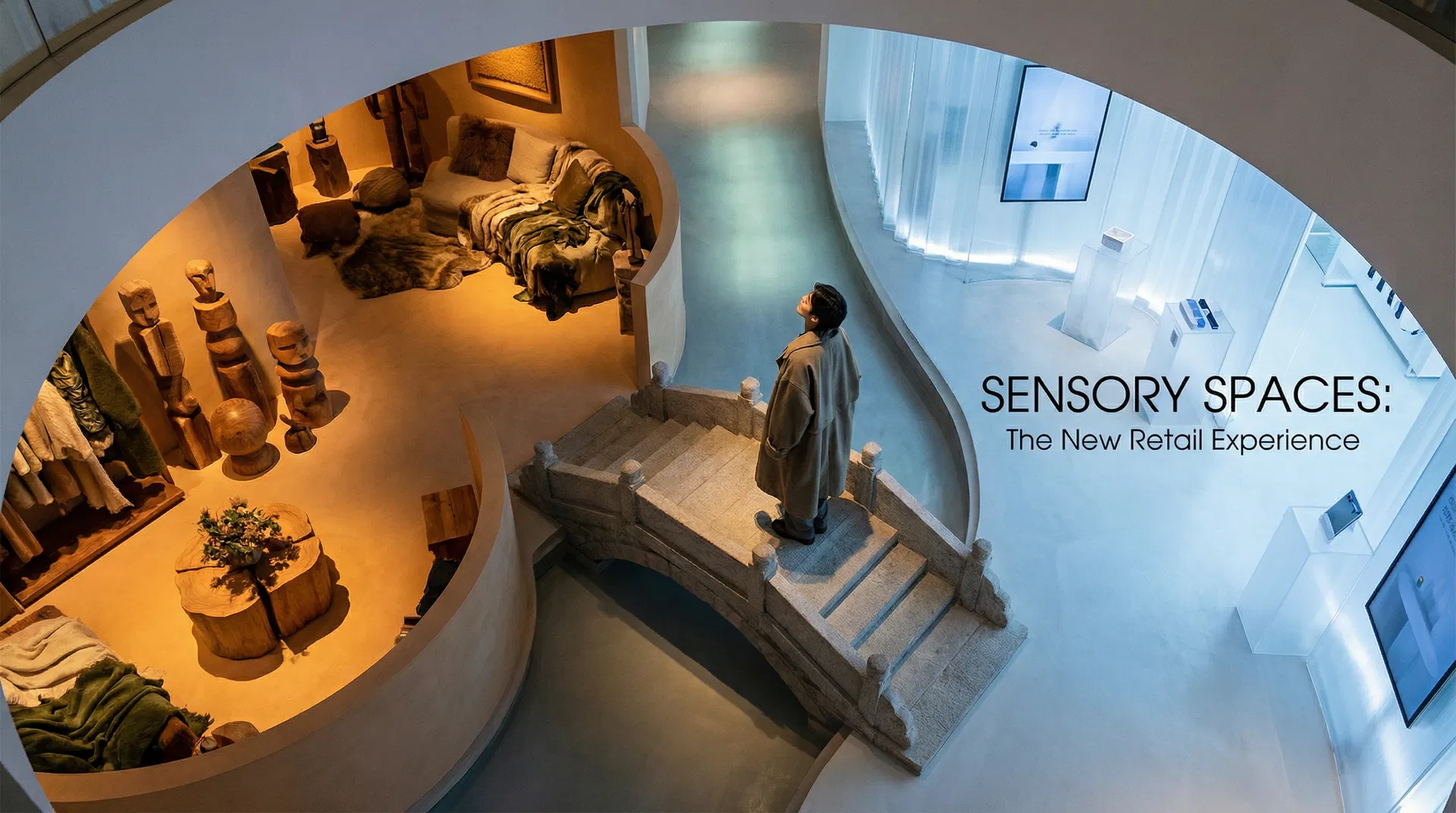
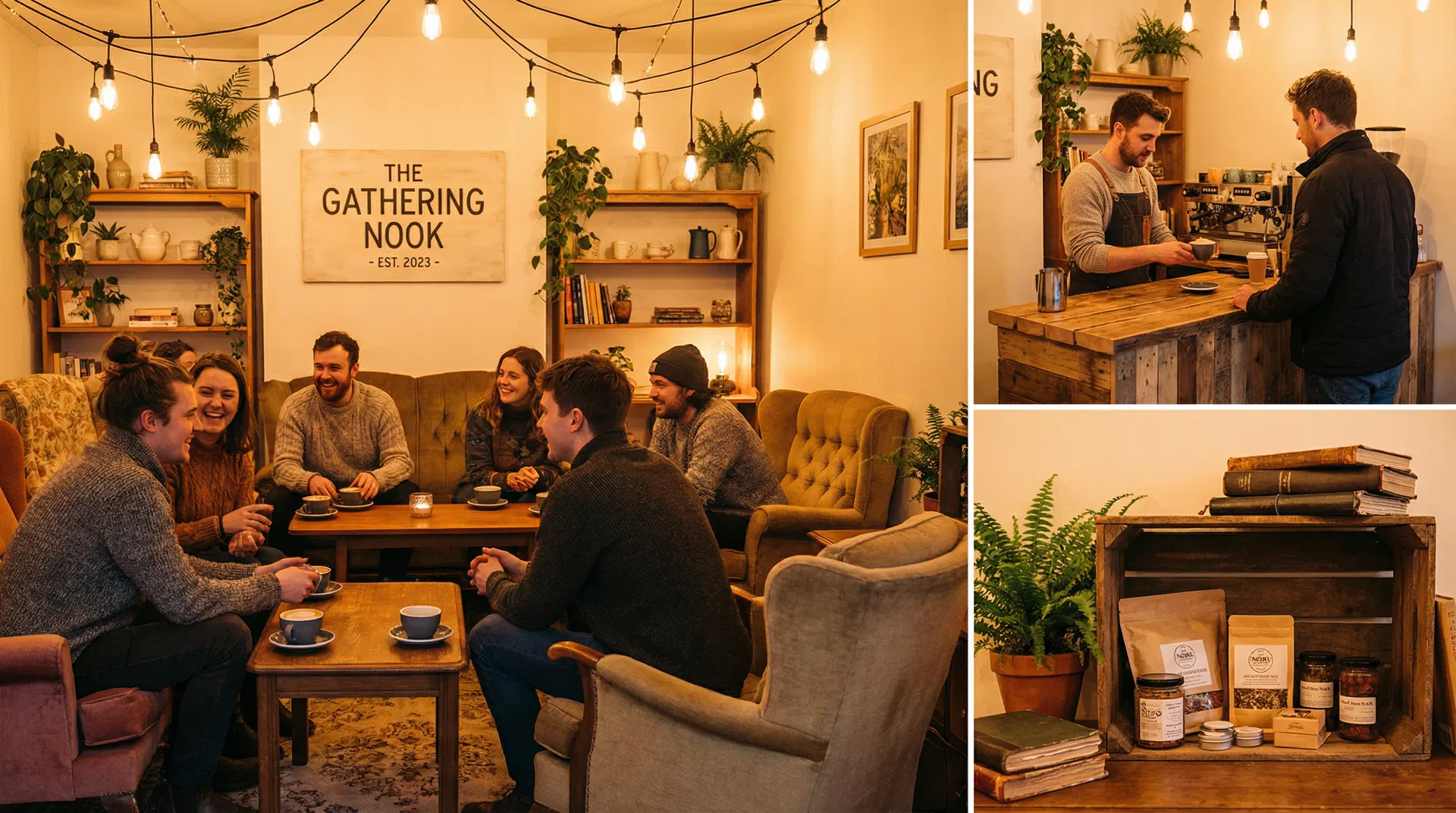
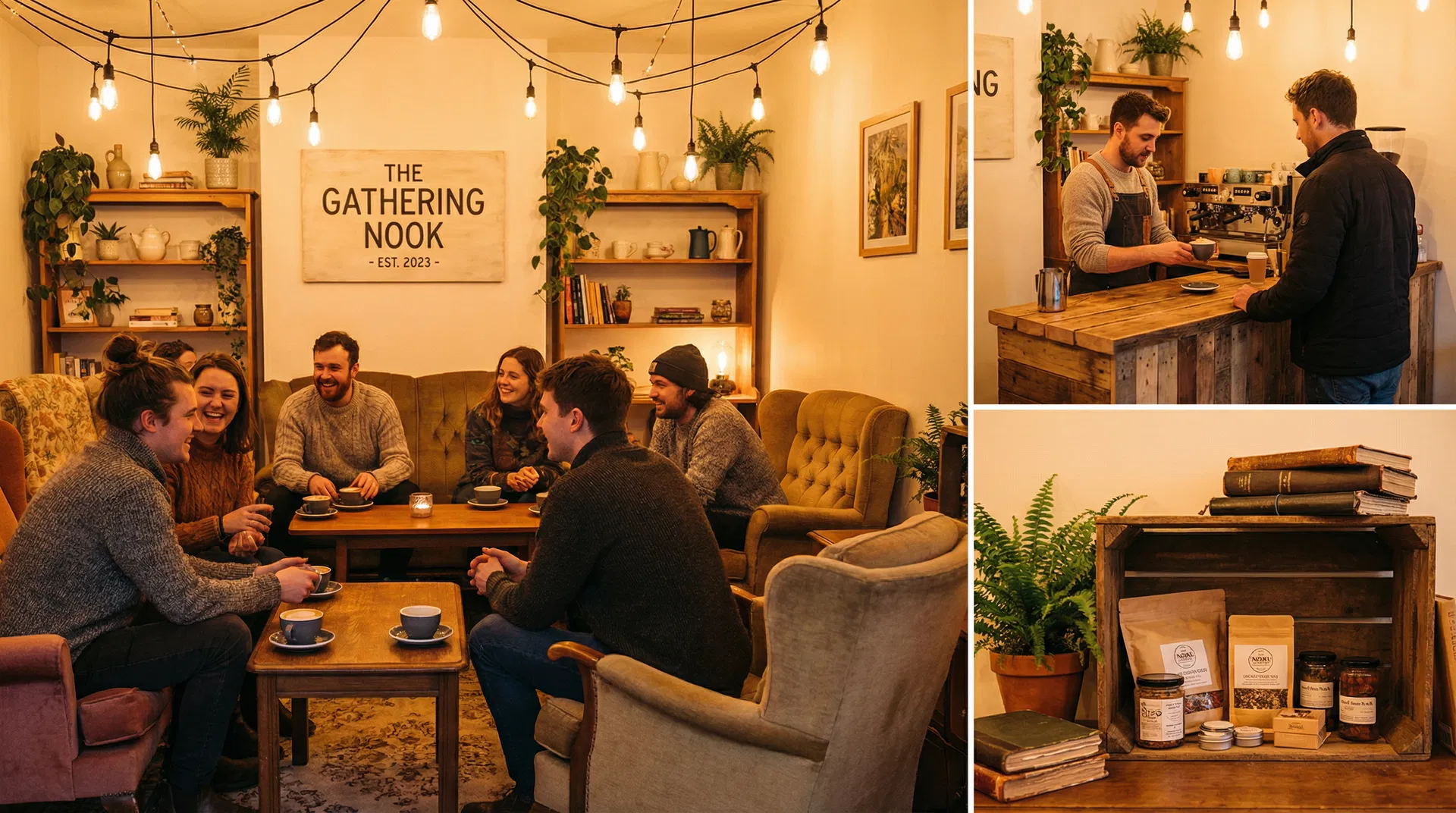
The most interesting retail spaces being created today are not stores. They are not cafés or galleries or community centres either , though they contain elements of all of these. They are something new: ephemeral gathering places that use commerce as the occasion for connection.

Every retail conference I attend tells me the future is AI, automation, and data. They are not wrong. But they are missing the point. The future of retail is not the technology we adopt , it is the humanity we preserve.

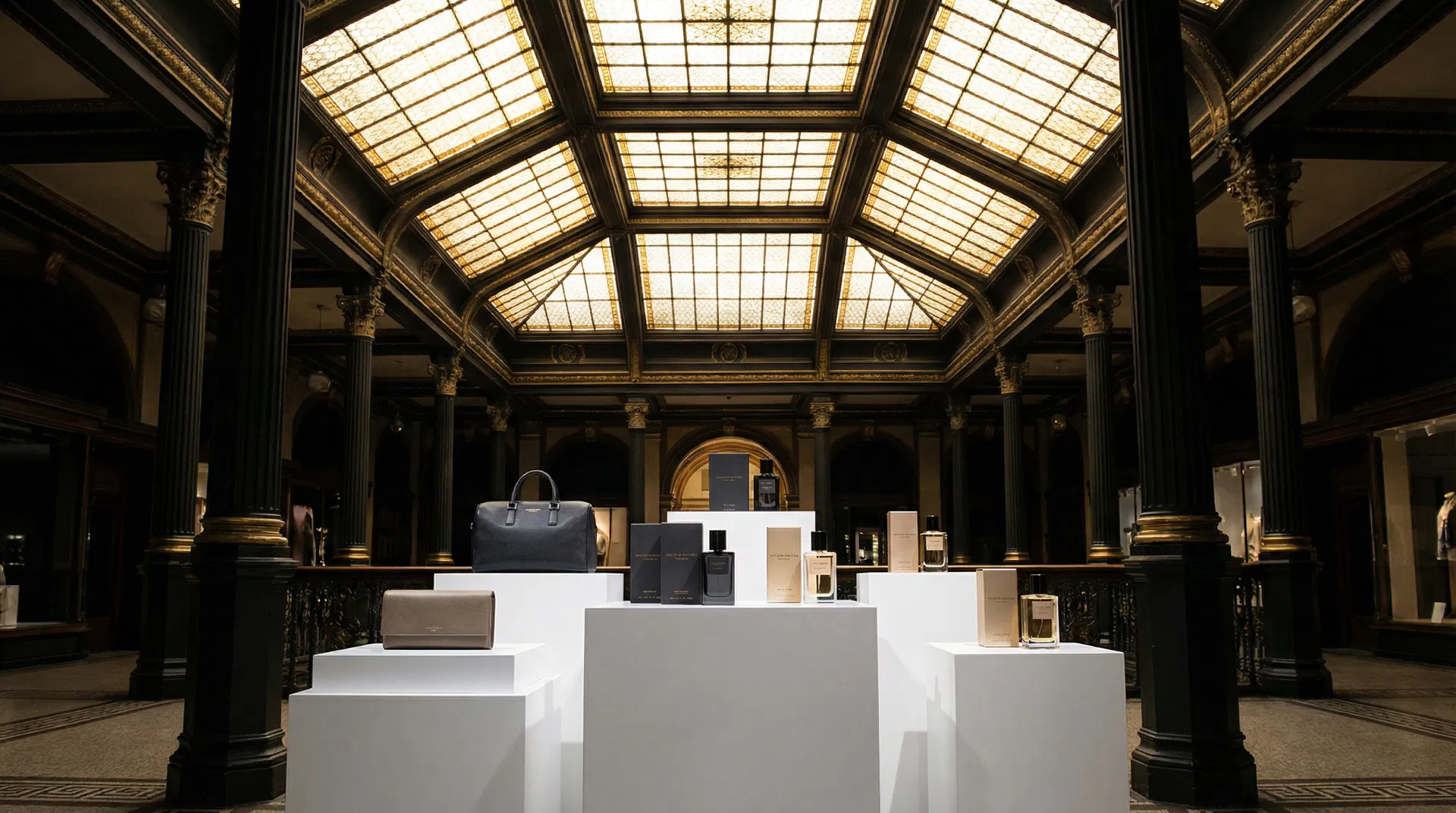
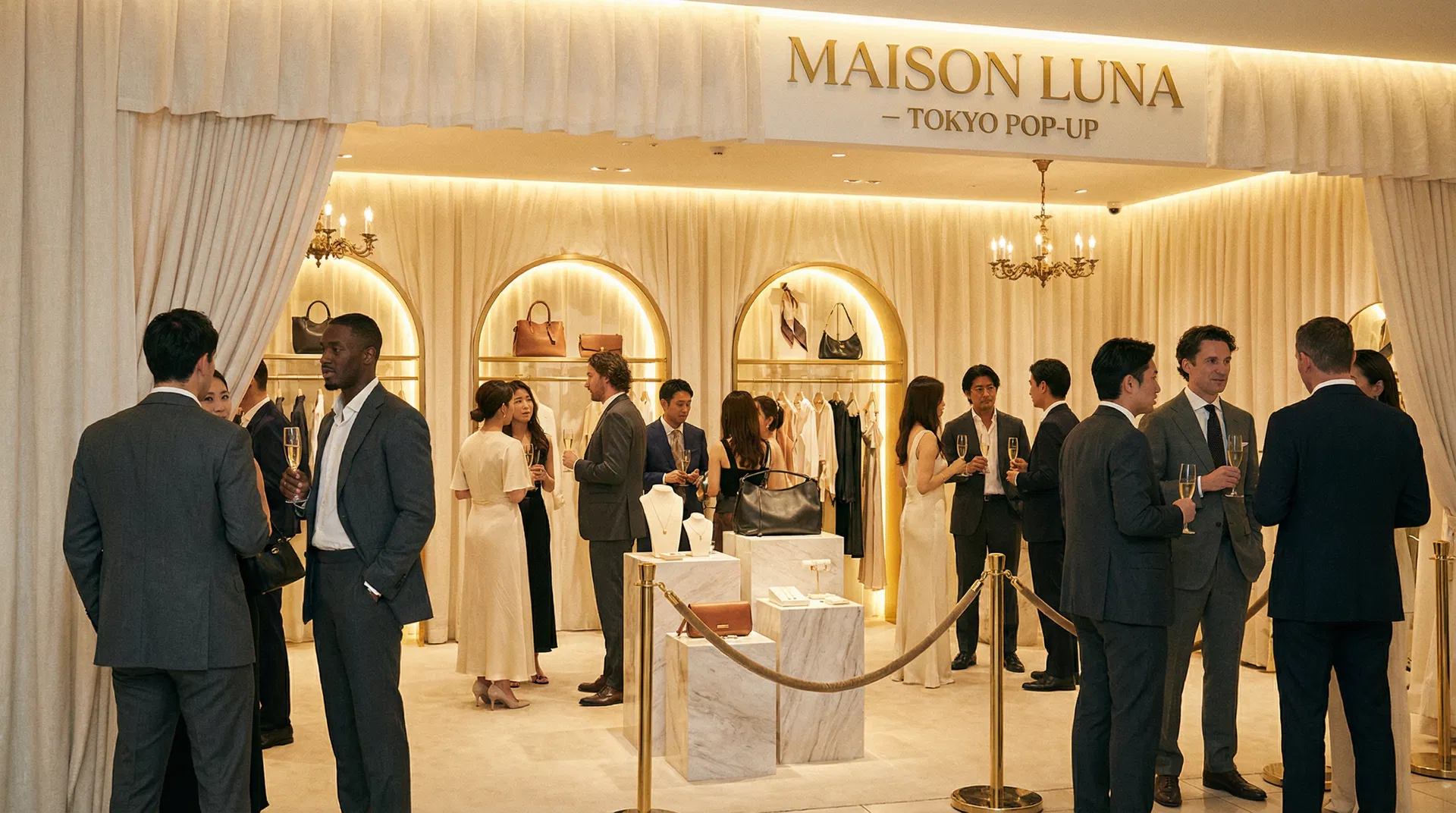
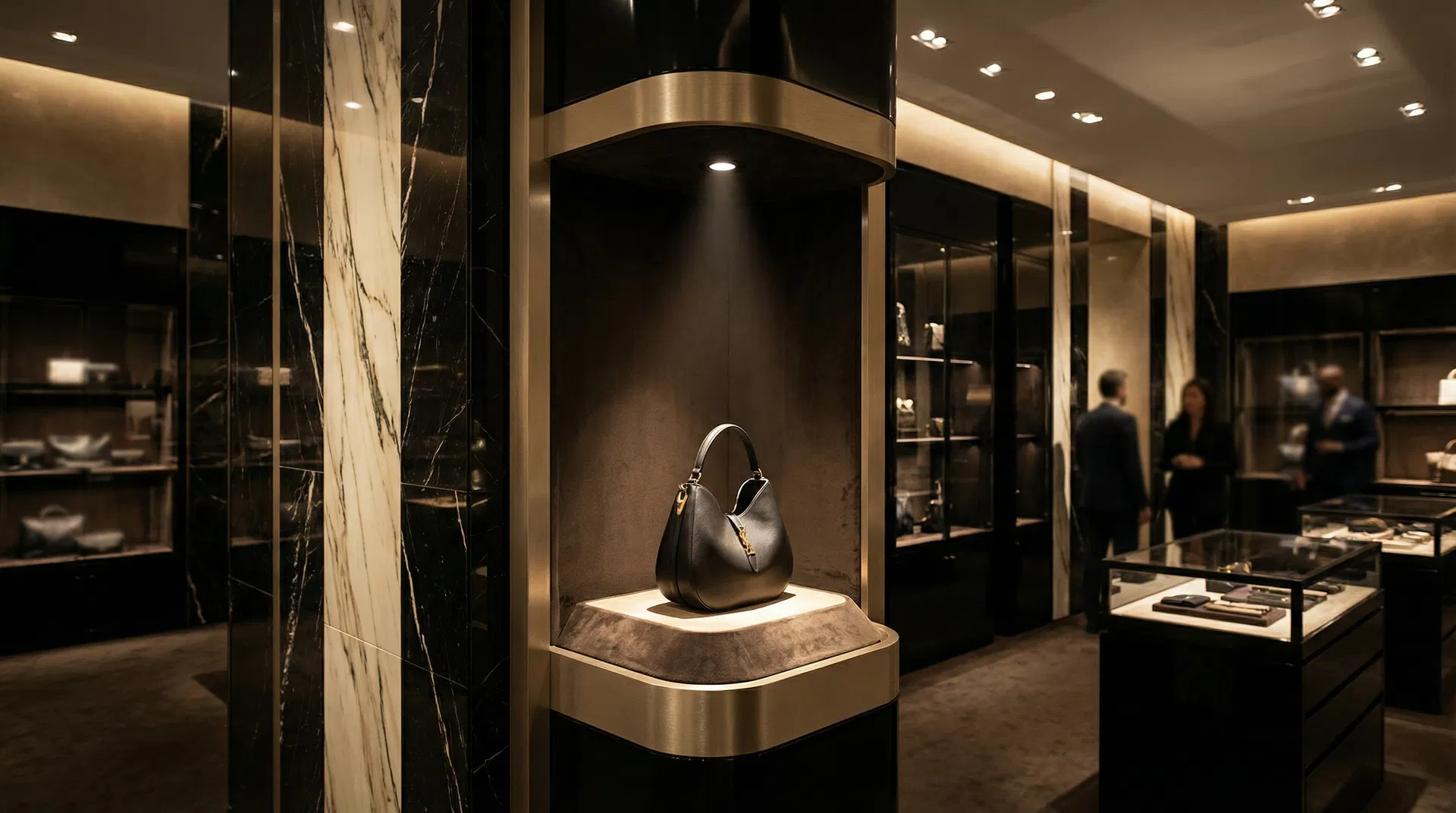
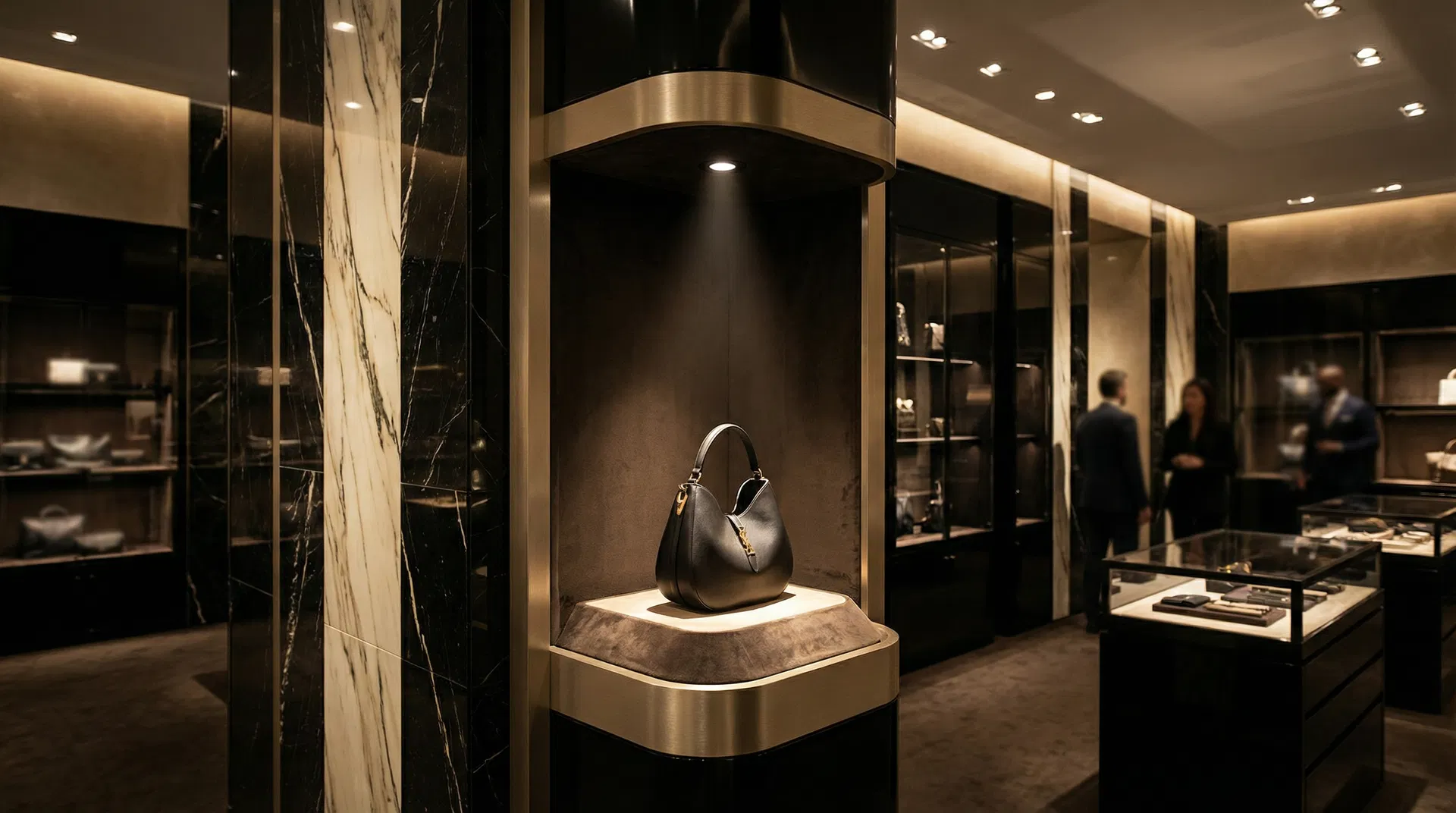
Luxury retail has always sold more than products. It has sold belonging, aspiration, and the feeling of being someone for whom the exceptional is normal. But in a world where that feeling is increasingly available through digital channels and experiential competitors, the physica

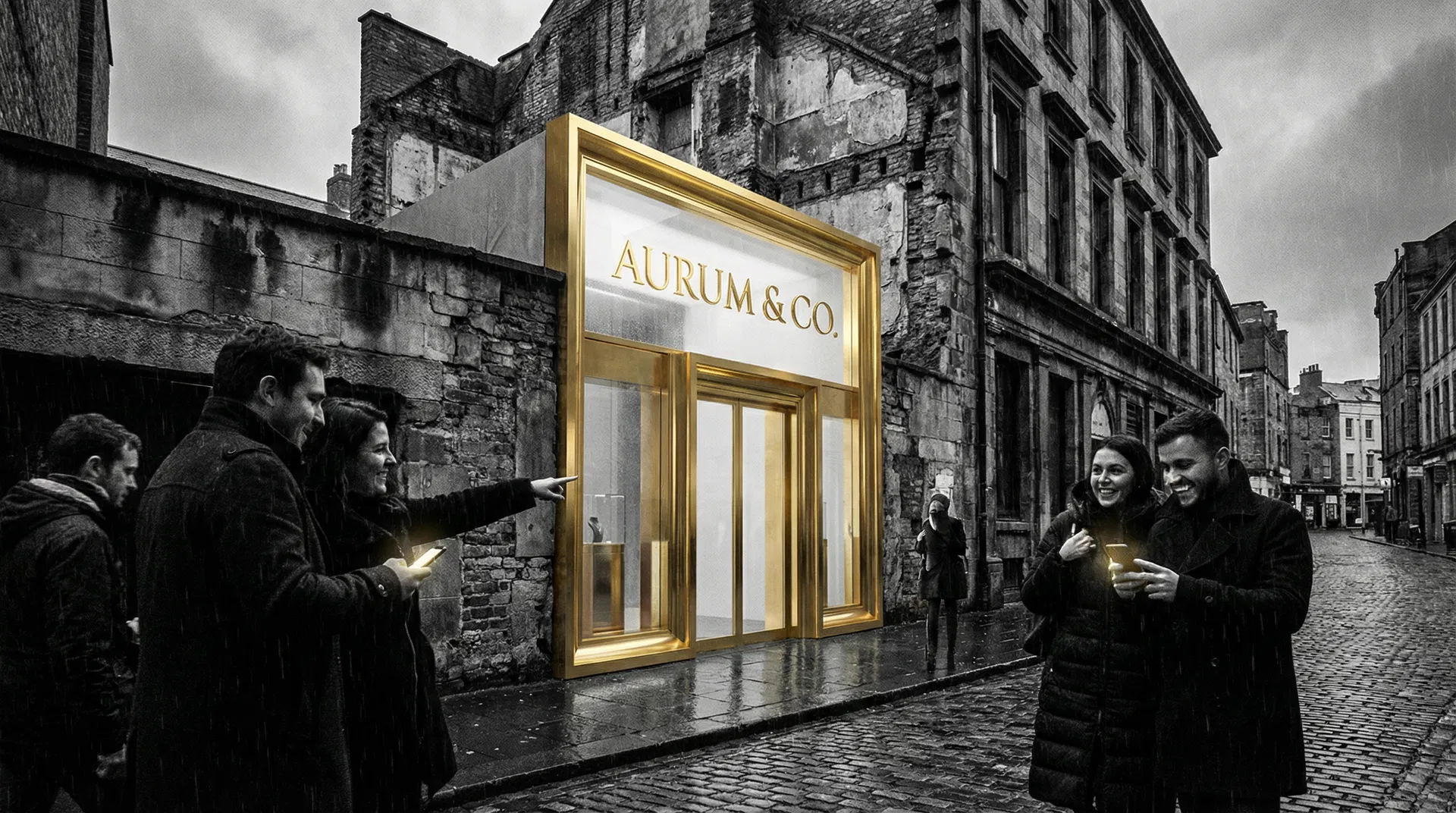
We queue for what is about to disappear. We photograph what we may never see again. We desire most intensely what we cannot have forever. This is not irrational , it is deeply human. And it is the engine that powers ephemeral retail.

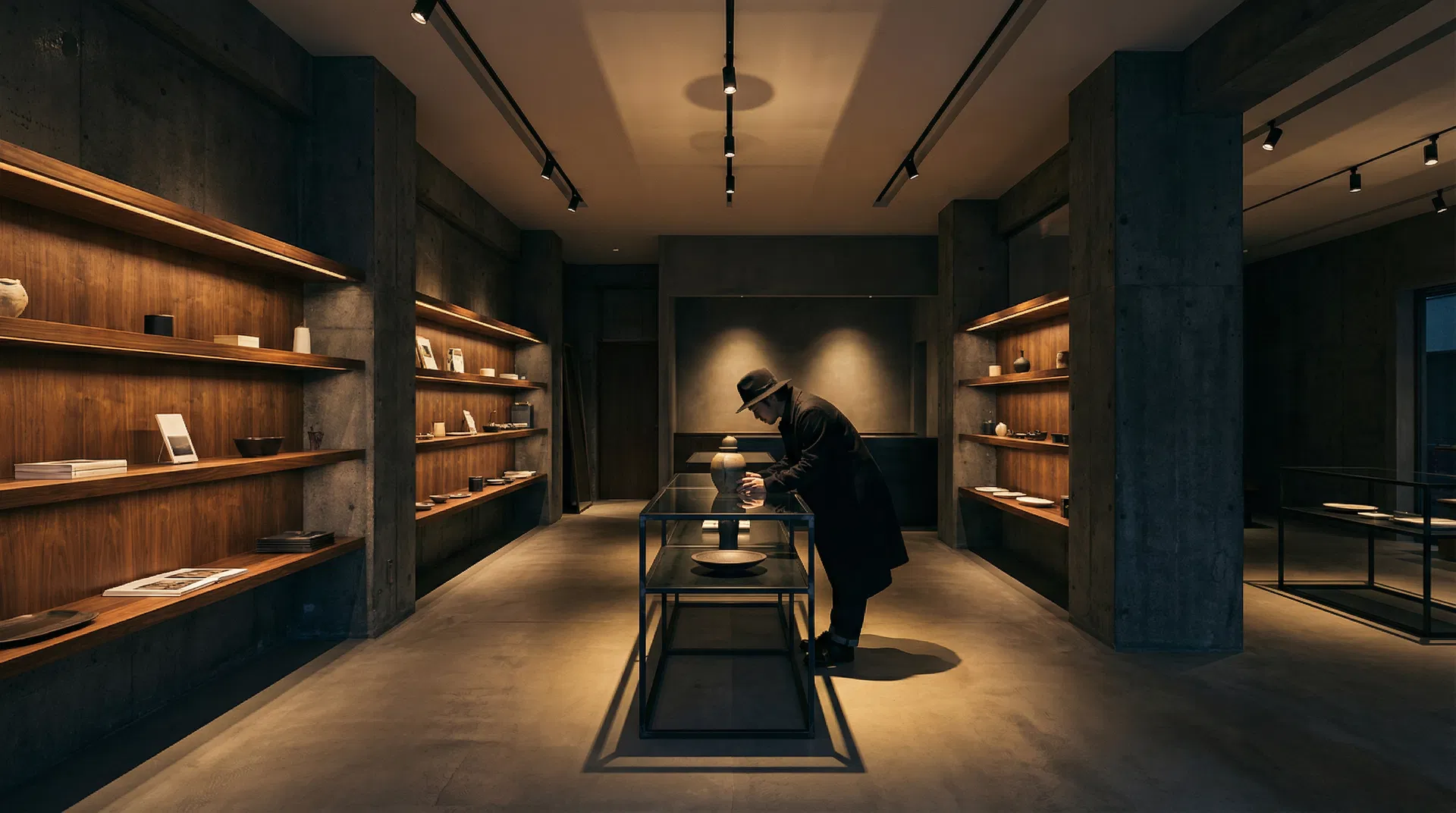
Before a single word is spoken, before a product is touched, before a price tag is read , the environment has already done most of its work. Retail atmospherics is the science and art of that invisible influence. And most brands are barely scratching its surface.

I did not set out to become a retail academic. I set out to understand why certain spaces make us feel something , and why that feeling matters more than most business strategies account for.

Guerrilla marketing was born from a simple premise: that creativity, surprise, and precision targeting can outperform budget. The pop-up store, at its most powerful, operates on exactly the same logic , and in a media-saturated world, that logic has never been more relevant.

When Western retail analysts discuss the future of the industry, they tend to look east to China or north to Scandinavia. There is a third direction they consistently underestimate: the Middle East. Having worked, taught, and consulted across Beirut, Istanbul, and the wider regio