What Retail Can Learn from Hospitality: Experience as an Operating System

Ghalia Boustani
PhD · Retail Expert & Author
The hotel lobby, the restaurant floor, the concierge desk, these are not just hospitality spaces. They are masterclasses in experience design. Retail has everything to learn from them.
I have always believed that the best retail thinkers should spend less time studying other retailers and more time studying hospitality. Not because the two industries are the same, they are not, but because hospitality has spent decades solving a problem that retail is only now beginning to take seriously: how to design encounters that people remember, return to, and recommend.
The Fundamental Difference
Here is the difference that matters: hospitality has always understood that it is selling an experience, not a product. When you book a hotel room, you are not buying a bed. You are buying the feeling of arrival, the quality of the greeting, the design of the space, the anticipation of rest, the pleasure of being looked after. The bed is the functional prerequisite. The experience is the product.
Retail, by contrast, has spent most of its modern history treating the product as the product and the experience as an afterthought, a nice-to-have that might differentiate one store from another but is not the core of the offer.
This is changing. The best retailers now understand that the experience is the product, or at least an inseparable part of it. But most are still learning the craft of experience design, and hospitality has a significant head start.
"Hospitality does not have customers. It has guests. That single word contains an entire philosophy of experience."
What Hospitality Gets Right
Several principles from hospitality translate directly to retail, and most retailers have not yet absorbed them.
Anticipation design: The best hotels design the experience to begin before arrival: the confirmation email, the pre-arrival communication, the sense of expectation that builds before the guest walks through the door. Retail rarely thinks about the pre-visit experience with this level of intentionality.
Recognition: Hospitality trains its staff to recognise returning guests, to remember their preferences, to make them feel known. This is not technology; it is culture. Most retail environments treat every visit as a first visit, even for loyal customers.
Tempo: Great hospitality understands pacing. The energy of the lobby, the calm of the room, the rhythm of service at dinner, these are designed transitions that shape how the guest feels across time. Retail spaces are almost always at a single tempo, and it is rarely the right one.
Recovery: Hospitality has a developed discipline around service recovery, turning a negative moment into a positive one through responsive, empowered, and genuinely caring intervention. Retail's version of service recovery is usually a returns policy.
The Retail Application
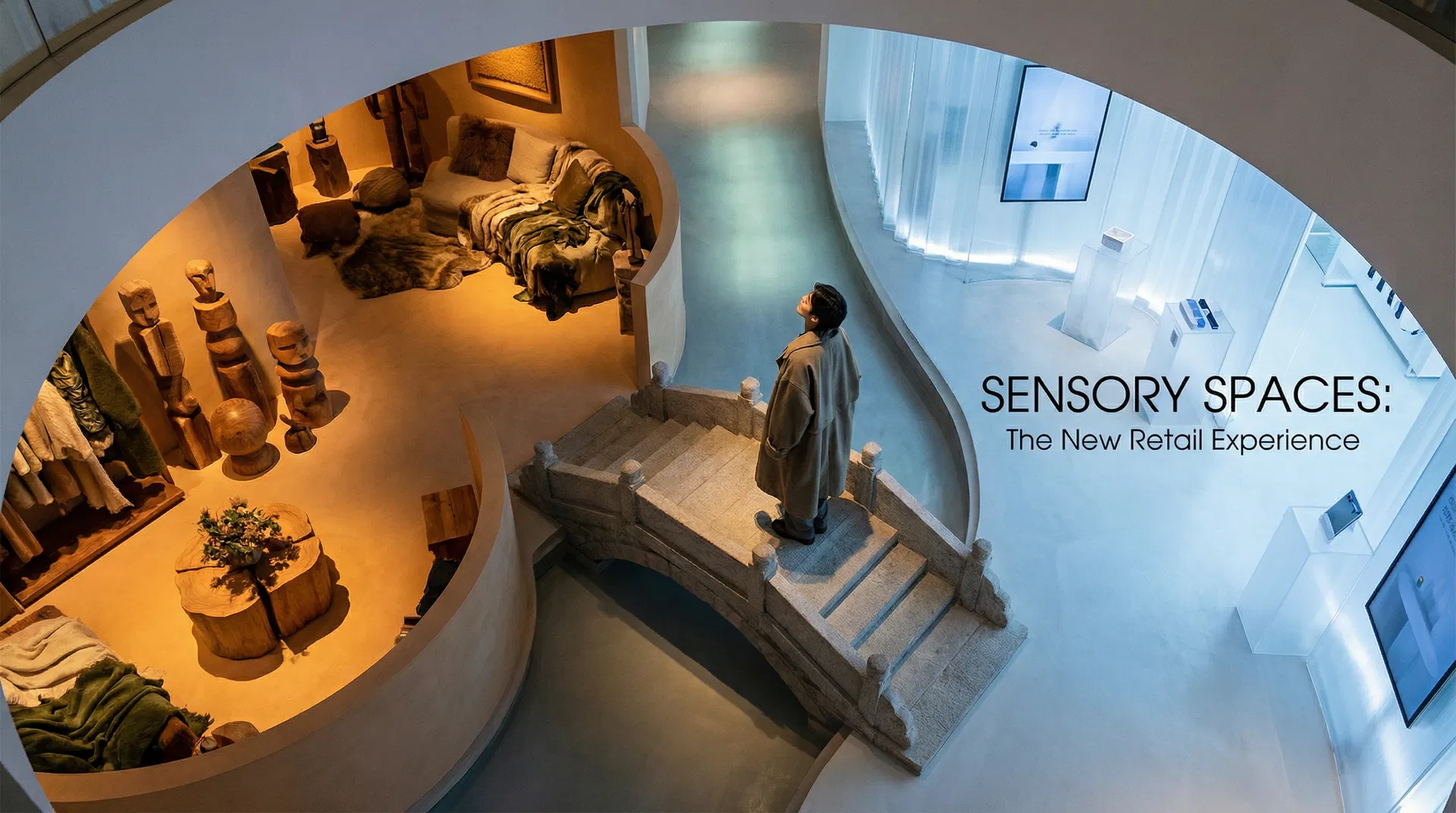
Imagine a retail environment designed with hospitality principles. You receive a personalised communication before your visit. You are greeted by name when you arrive. The tempo of the space shifts as you move through it, from energy and discovery at the entrance to calm and consideration in the fitting room or consultation area. If something goes wrong, a staff member with genuine authority and genuine care resolves it in a way that makes you feel more valued, not less.
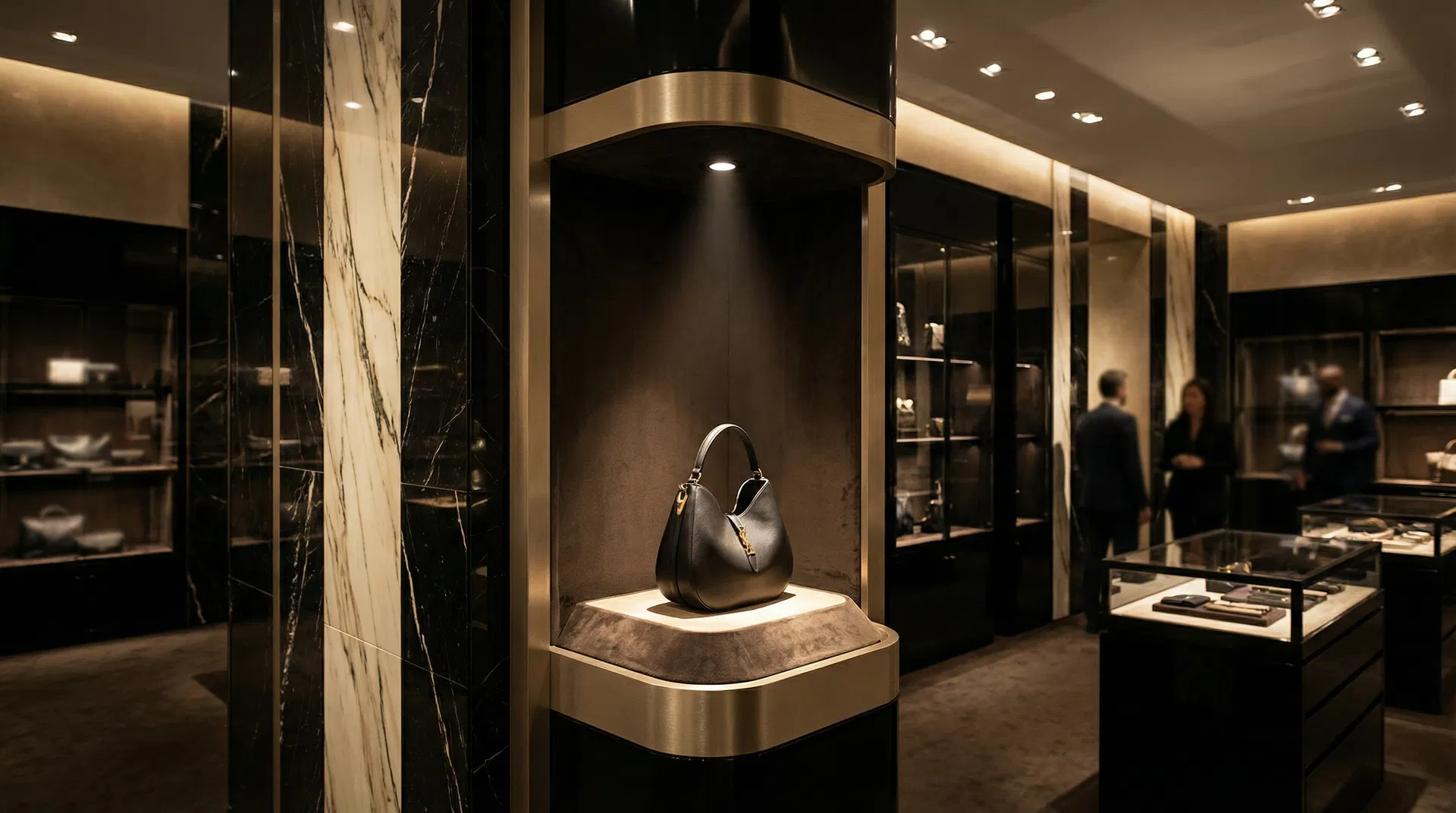
This is not fantasy. Some retailers are already doing versions of this, particularly in luxury, where the economics support higher service investment. But the principles are not luxury-specific. They are human-specific. They work at every price point, because they address fundamental human desires: to be recognised, to be cared for, to have one's time respected.
The Pop-Up Connection
Pop-up stores, interestingly, are often better positioned to deliver hospitality-grade experiences than permanent stores. Their temporary nature creates a natural sense of event and anticipation. Their smaller scale allows for more personal interactions. Their focused purpose, usually a single collection, a specific story, a particular audience, allows the experience to be designed with the kind of specificity that hospitality excels at.
The best pop-ups I have studied feel more like checking into a boutique hotel than walking into a shop. They greet you. They make you feel expected. They offer you something, a drink, a moment, an experience, before they offer you a product. They understand that the first sale is emotional, and that the transaction, if it happens, should feel like a natural extension of a positive encounter, not its purpose.
A Challenge to Retail Leaders
My challenge to retail leaders is this: spend a day in the best hotel in your city. Not as a guest, as a student. Watch how the staff move. Notice how the space is designed to shape your emotional state. Pay attention to the moments of recognition, of anticipation, of recovery. Then walk into your own store and ask: what would change if we designed this experience with the same intentionality?
The answer, in my experience, is: almost everything. And the results, for the brands brave enough to make those changes, are transformative.
What is the best hospitality experience you have ever had, and what specifically made it memorable? I find that the details people remember are always the most instructive.
— CONTINUE THE CONVERSATION
Want deeper insights like this?
Ask Ghalia's Brain — 20 years of retail expertise, available 24/7 on WhatsApp. Start for free.
ASK GHALIA'S BRAIN