
Ghalia Boustani
PhD · Retail Expert & Author
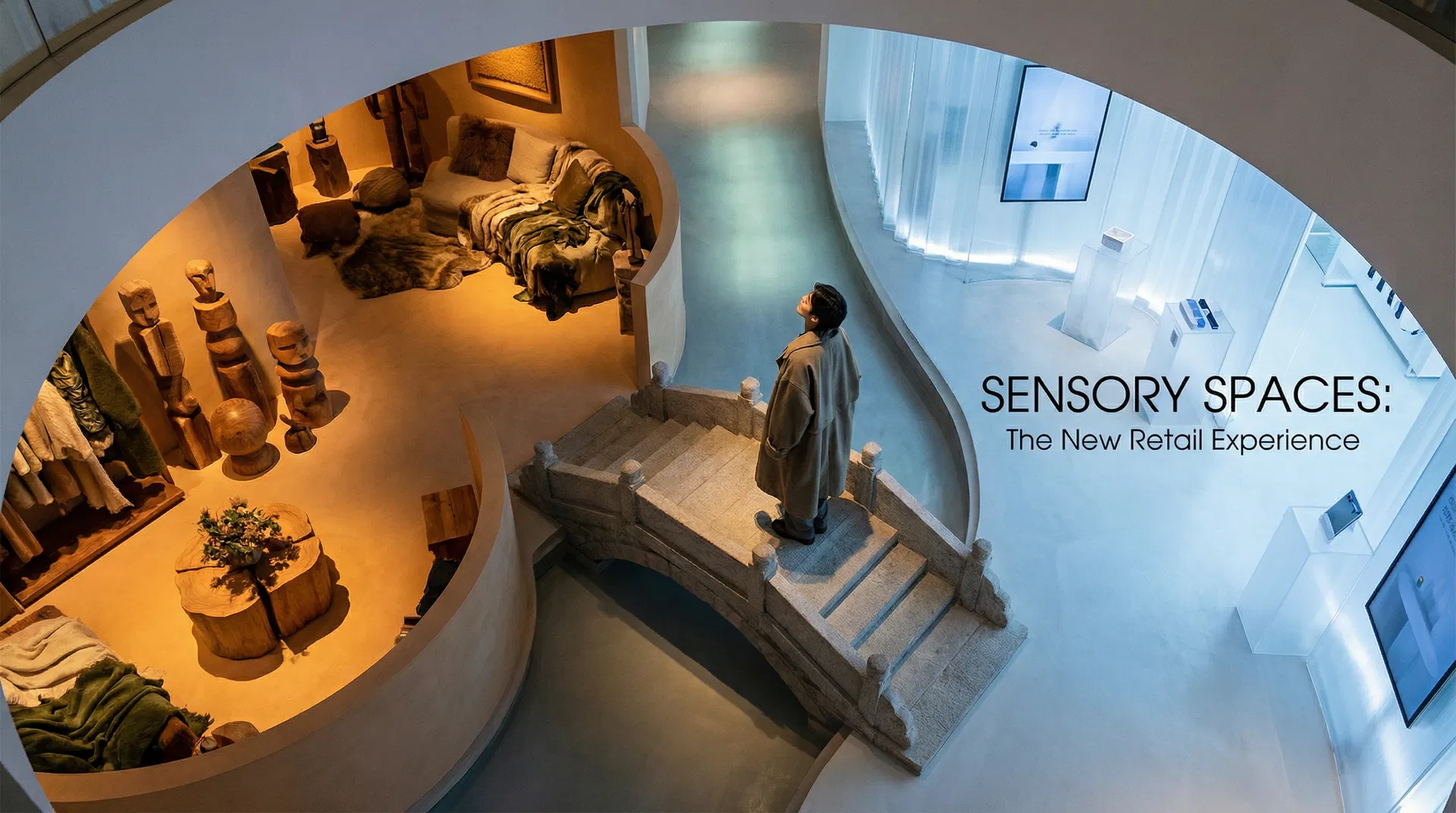
Retail has a tendency to think in binaries. Online or offline. Transactional or experiential. Mass market or luxury. These polarities are analytically useful but commercially misleading. The most interesting , and most commercially durable , retail concepts are those that inhabit the territory between the poles. They are hybrid, in the fullest sense of the word: synthesising apparently contradictory logics into a new kind of commercial space.
Understanding hybrid retail requires first understanding the valence it spans. At one end of the spectrum is pure transactional retail: efficient, functional, price-led, with minimal dwell time and minimal emotional investment. At the other end is pure experiential retail: immersive, narrative-rich, relationship-centred, with value measured in memory and meaning rather than transaction frequency. Most retail exists somewhere between these poles , and the question of where a given brand should position itself on that spectrum is one of the most consequential decisions in retail strategy.
Hybrid retail is not a compromise between transaction and experience. It is the recognition that the most durable retail value is created at the intersection.
The Transactional Pole
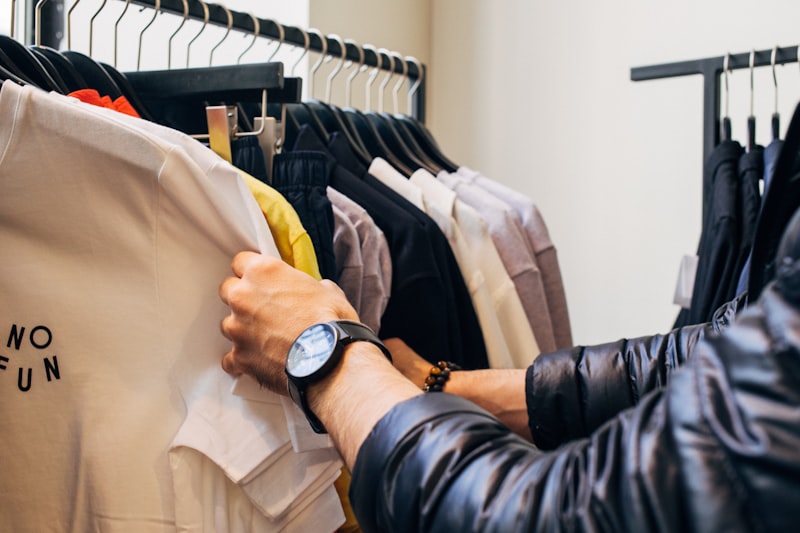
Transactional retail is not inherently inferior to experiential retail. For many categories and many consumers, it is exactly what is required. The consumer who needs motor oil, a replacement phone charger, or a bag of rice does not want an experience. They want efficiency, availability, and price. Transactional retail delivers these with precision.
Amazon has built the world's most powerful transactional retail system. The consumer encounters minimal friction between intent and acquisition. The experience is largely invisible , and that invisibility is the point. The experience of Amazon shopping should not be notable. It should be so seamless as to be unremarkable.
The risk of pure transactional retail is that it creates no emotional bond between the consumer and the brand. A consumer who buys from Amazon is buying from a logistics and catalogue platform. They are not in a brand relationship. When a better price or a faster delivery option becomes available elsewhere, they will take it. Transactional retail builds efficiency. It does not build loyalty.
The Experiential Pole
At the opposite end of the spectrum, pure experiential retail subordinates transaction to encounter. The goal is not the sale. The goal is the experience , and the sale, if it happens, is a by-product of an experience that has earned the consumer's trust and desire.
Apple's original retail concept, designed by Ron Johnson in the early 2000s, was a landmark articulation of experiential retail. Stores with no cash registers at the front, products available for hands-on exploration, the Genius Bar as a service institution rather than a sales desk , these design choices communicated a philosophy. The store was not there to sell products. It was there to provide a space in which consumers could form a relationship with Apple's technology and with the Apple brand.
The commercial results were extraordinary. Apple Stores generate more revenue per square foot than virtually any other retailer on earth. But the mechanism is experiential. Consumers who spend time in Apple Stores convert at higher rates, spend more per transaction, and report significantly higher brand satisfaction than those who encounter Apple through other channels.
The Hybrid Middle: Where the Future Lives
Between pure transaction and pure experience lies the territory that is most commercially generative for the broadest range of brands. Hybrid retail concepts integrate transactional efficiency with experiential depth , not as a compromise but as a designed synthesis.
The Service Concept Model
Brands like Decathlon have built retail concepts that integrate genuine service and expertise (experiential elements) with operational efficiency and value pricing (transactional elements). The result is a retail environment that serves customers across the full spectrum of their engagement with the category , from the casual buyer who wants a basic product at a fair price, to the enthusiast who wants expert advice and a community of like-minded consumers.
The Hospitality Retail Model
The integration of hospitality into retail , coffee, food, drink, wellness, accommodation , is one of the defining trends in retail format innovation. By extending the time consumers spend in retail environments and transforming them into genuine destinations, hospitality integration moves the retail encounter from transaction toward experience.
Eataly is perhaps the definitive example of this model. A food retail and restaurant hybrid, Eataly creates an environment in which the act of buying Italian ingredients and the act of consuming them are seamlessly integrated. The consumer does not just buy pasta. They understand it, discuss it with an expert, eat a dish made with it in the restaurant, and leave with a product and a story. Transaction and experience are inseparable.
The Digital-Physical Hybrid
The integration of digital tools and capabilities into physical retail environments is another dimension of hybridity that is reshaping retail formats. Interactive product configurators, augmented reality fitting tools, connected loyalty platforms, and digital clienteling systems all extend the experiential possibilities of physical retail while maintaining its transactional functionality.
Brand Case , Sephora: Sephora's in-store digital integrations , including virtual try-on technology, the Beauty Insider loyalty programme's physical-digital integration, and its Color IQ skin tone matching system , transform a fundamentally transactional category (beauty retail) into an experiential one. The consumer is not just buying foundation. They are discovering their perfect shade, accessing expert knowledge, earning rewards, and participating in a community. Sephora has moved its retail model significantly along the spectrum from transaction toward experience without abandoning the operational efficiency that makes it commercially viable.
The future of retail is not transactional. It is not purely experiential either. It is a designed integration of both , calibrated precisely to the brand's consumers, category, and competitive context.
Format Innovation as Strategy
The proliferation of hybrid retail formats , concept stores, lab stores, service stores, community spaces, brand residencies, pop-ups , reflects a broader recognition that the relationship between retail format and brand strategy is not fixed. The format itself is a strategic variable. Different formats serve different strategic objectives, and sophisticated brands deploy multiple format types simultaneously.
A flagship store builds brand aspiration and communicates the full depth of the brand universe. A service-led neighbourhood store builds loyalty and convenience. A pop-up creates cultural conversation and tests new market opportunities. A digital showroom extends the brand's physical reach without the fixed cost of permanent retail. Together, these formats create a portfolio of retail presences that serves consumers across different moments, moods, and purchase occasions.
Conclusion
Retail is not black or white. The most powerful retail concepts are those that move fluidly along the spectrum between transaction and experience , providing efficiency where consumers need it and depth where they crave it. The brands that understand this fluidity and design their retail formats accordingly will consistently outperform those that stake out a fixed position and defend it against a changing consumer landscape.
Hybrid retail is not a trend. It is a recognition of a fundamental truth about human commerce: that we want both the ease of the transaction and the richness of the experience. The brands that can give us both, in the right proportions at the right moments, will define the future of retail.
, Dr. Ghalia Boustani
— CONTINUE THE CONVERSATION
Want deeper insights like this?
Ask Ghalia's Brain — 20 years of retail expertise, available 24/7 on WhatsApp. Start for free.
ASK GHALIA'S BRAIN