
Ghalia Boustani
PhD · Retail Expert & Author
Retail has never been a single thing. At its most functional, it is a system for moving products from producers to consumers. At its most aspirational, it is a medium for creating experiences that shape how people feel about themselves and the world around them. Most retail exists somewhere between these two poles , and the position a brand occupies on this spectrum is one of the most important strategic decisions it can make.
Retail is not binary. It is a spectrum. Transaction at one end, experience at the other. The brands that understand where they sit on that spectrum , and design their formats accordingly , are the ones that consistently outperform.
The Transaction End
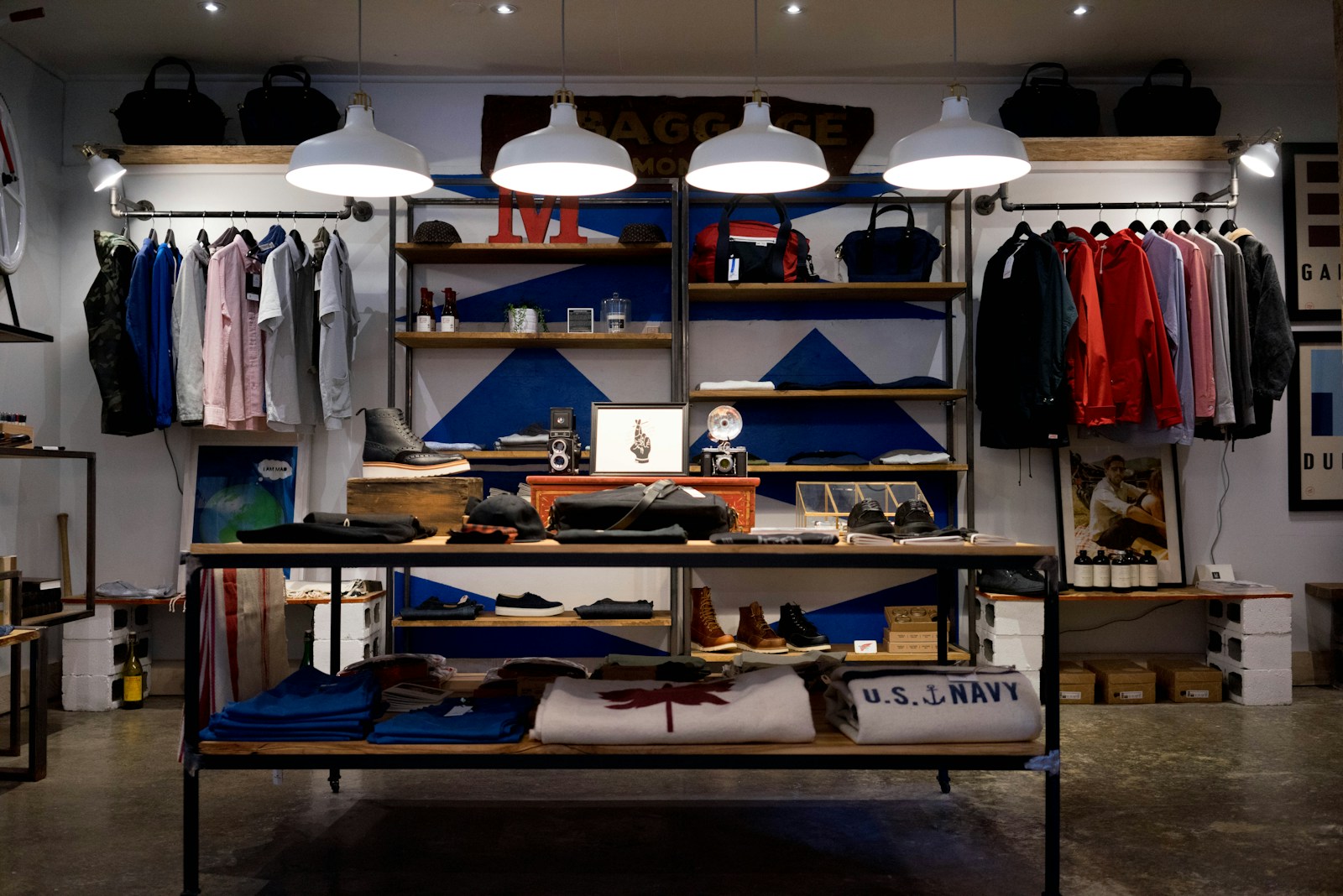
At the transaction end of the spectrum, the store is optimised for efficiency. The objective is to move the consumer from entry to purchase with as little friction as possible. Product is clearly displayed and easily accessible. Pricing is transparent. The layout is logical and navigable. Staff, if present, are trained to facilitate the transaction rather than to create an experience.
This model has clear strengths. It scales efficiently, it delivers consistency across multiple locations, and it serves consumers whose primary motivation is convenience , they know what they want and they want to get it quickly.
The critical weakness of pure transaction retail is its vulnerability to digital competition. When a store offers nothing beyond the mechanics of purchase , product availability, clear pricing, easy payment , it is competing directly with e-commerce platforms that can deliver all of those things more efficiently. The transactional store that does not evolve will inevitably lose traffic to digital alternatives that offer the same utility with less effort.
Brand Case , Amazon Go: Amazon Go stores represent the logical endpoint of transactional retail. By eliminating checkout entirely through sensor technology and computer vision, Amazon reduced the store to its purest transactional function: enter, take product, leave. It is operationally impressive. It is also experientially empty , a space optimised for efficiency that offers no reason to linger, no opportunity for discovery, and no human interaction. Amazon Go is not the future of retail. It is the future of transaction.
The Experience End
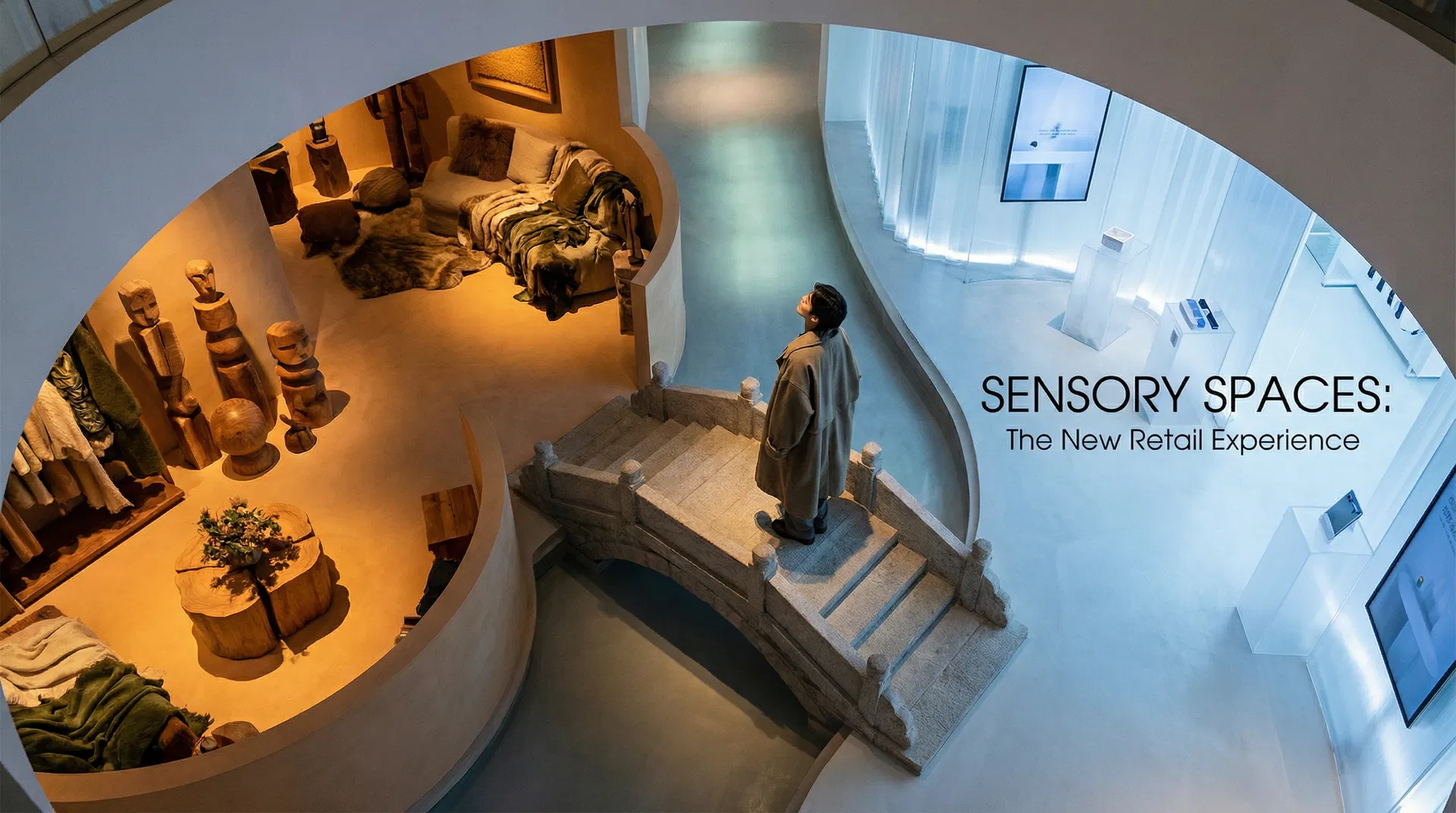
At the other end of the spectrum, the store is designed as an environment, a space where the consumer's presence is the product as much as the merchandise on display. Experiential retail creates encounters that engage multiple senses, provoke emotional responses, and leave lasting memories.
The strengths of experiential retail are well documented: higher dwell time, stronger emotional brand associations, greater social media amplification, and deeper customer loyalty. The weakness is equally clear , it is expensive, difficult to scale, and its commercial return is often indirect and hard to measure.
Brand Case , Gentle Monster: Gentle Monster, the South Korean eyewear brand, represents one of the most radical positions on the experiential end of the spectrum. Its flagship stores in Seoul and Shanghai are closer to art installations than retail environments, with elaborate, frequently changing themed displays that attract visitors who may have no intention of buying sunglasses. The brand's retail spaces generate extraordinary social media content and position the brand as a cultural force far beyond its product category.
Purely experiential retail carries its own risks. When the experience becomes the entire proposition, the commercial function can be lost. Visitors may admire the installation, photograph the space, and leave without purchasing , converting the store from a revenue generator into a marketing cost centre.
The Hybrid Space
Between pure transaction and pure experience lies the territory that is most commercially generative for the broadest range of brands. Hybrid retail concepts integrate transactional efficiency with experiential depth , not as a compromise but as a designed synthesis.
The Service Concept Model
Brands like Decathlon have built retail concepts that integrate genuine service and expertise (experiential elements) with operational efficiency and value pricing (transactional elements). The result is a retail environment that serves customers across the full spectrum of their engagement with the category , from the casual buyer who wants a basic product at a fair price, to the enthusiast who wants expert advice and a community of like-minded consumers.
The Hospitality Retail Model
The integration of hospitality into retail , coffee, food, drink, wellness, accommodation , is one of the defining trends in retail format innovation. By extending the time consumers spend in retail environments and transforming them into genuine destinations, hospitality integration moves the retail encounter from transaction toward experience.
Eataly is perhaps the definitive example of this model. A food retail and restaurant hybrid, Eataly creates an environment in which the act of buying Italian ingredients and the act of consuming them are seamlessly integrated. The consumer does not just buy pasta. They understand it, discuss it with an expert, eat a dish made with it in the restaurant, and leave with a product and a story. Transaction and experience are inseparable.
The Digital-Physical Hybrid
The integration of digital tools and capabilities into physical retail environments is another dimension of hybridity that is reshaping retail formats. Interactive product configurators, augmented reality fitting tools, connected loyalty platforms, and digital clienteling systems all extend the experiential possibilities of physical retail while maintaining its transactional functionality.
Brand Case , Sephora: Sephora's in-store digital integrations , including virtual try-on technology, the Beauty Insider loyalty programme's physical-digital integration, and its Color IQ skin tone matching system , transform a fundamentally transactional category (beauty retail) into an experiential one. The consumer is not just buying foundation. They are discovering their perfect shade, accessing expert knowledge, earning rewards, and participating in a community. Sephora has moved its retail model significantly along the spectrum from transaction toward experience without abandoning the operational efficiency that makes it commercially viable.
The future of retail is not transactional. It is not purely experiential either. It is a designed integration of both , calibrated precisely to the brand's consumers, category, and competitive context.
Format Innovation as Strategy
The proliferation of hybrid retail formats , concept stores, lab stores, service stores, community spaces, brand residencies, pop-ups , reflects a broader recognition that the relationship between retail format and brand strategy is not fixed. The format itself is a strategic variable. Different formats serve different strategic objectives, and sophisticated brands deploy multiple format types simultaneously.
A flagship store builds brand aspiration and communicates the full depth of the brand universe. A service-led neighbourhood store builds loyalty and convenience. A pop-up creates cultural conversation and tests new market opportunities. A digital showroom extends the brand's physical reach without the fixed cost of permanent retail. Together, these formats create a portfolio of retail presences that serves consumers across different moments, moods, and purchase occasions.
Conclusion
Retail is not black or white. The most powerful retail concepts are those that move fluidly along the spectrum between transaction and experience , providing efficiency where consumers need it and depth where they crave it. The brands that understand this fluidity and design their retail formats accordingly will consistently outperform those that stake out a fixed position and defend it against a changing consumer landscape.
Hybrid retail is not a trend. It is a recognition of a fundamental truth about human commerce: that we want both the ease of the transaction and the richness of the experience. The brands that can give us both, in the right proportions at the right moments, will define the future of retail.
, Dr. Ghalia Boustani
— CONTINUE THE CONVERSATION
Want deeper insights like this?
Ask Ghalia's Brain — 20 years of retail expertise, available 24/7 on WhatsApp. Start for free.
ASK GHALIA'S BRAIN