Luxury Is Not a Price Point — It's a Philosophy

Ghalia Boustani
PhD · Retail Expert & Author
I have spent my career observing how luxury works, not as marketing, but as a system of meaning. What I have learned is that the brands that endure are never the ones that charge the most. They are the ones that understand something about human desire that goes deeper than price.
There is a misconception about luxury that persists even among people who should know better: that luxury is defined by price. That a product becomes luxury when it is expensive enough. That a brand enters the luxury category when it raises its prices above a certain threshold.
This is not just wrong. It is the precise opposite of what luxury actually is.
Luxury is a philosophy. It is a set of choices about how things are made, how they are presented, how they are experienced, and what relationship they create between the maker and the person who chooses them. Price is a consequence of those choices, not the cause of them.
"Luxury is not what costs the most. It is what means the most."
The Meaning System
At its core, luxury operates as a system of meaning. Every element, the materials chosen, the processes employed, the time invested, the context in which the object is encountered, contributes to a narrative that transforms a physical product into something that carries significance beyond its function.
A Hermès scarf is not expensive because silk is expensive. It is valued because of what the scarf represents: a tradition of craftsmanship, a specific aesthetic sensibility, membership in a community that understands and appreciates these things. The price reflects the meaning system, not the other way around.
This is why luxury cannot be faked by raising prices. A mediocre product at a high price point is not luxury. It is overpriced. The consumer knows the difference, perhaps not consciously, but instinctively. Something feels wrong. The encounter does not produce the feeling of elevation that genuine luxury creates.
The Five Pillars
Through my research into luxury brands across Europe and the Middle East, I have identified five pillars that consistently distinguish genuine luxury from aspirational pricing.
1. Craft as conviction: The product reflects a genuine commitment to how things are made, not as a marketing story, but as an operational reality. The craft is not displayed for the consumer's benefit; it exists because the maker believes in it.
2. Time as a value: Luxury takes time. Time to make, time to perfect, time to acquire. In an age of instant availability, the deliberate embrace of slowness is one of luxury's most radical propositions.
3. Specificity over scale: Luxury resists the logic of mass production. Not because exclusivity is a strategy, but because the level of attention required cannot be maintained at industrial scale.
4. Relationship over transaction: The luxury encounter is personal. It recognises the individual. It does not process customers; it receives guests.
5. Coherence across every touchpoint: From the product to the packaging to the space to the staff to the after-sale experience, every element tells the same story. Inconsistency is the enemy of luxury perception.
Why This Matters for Retail
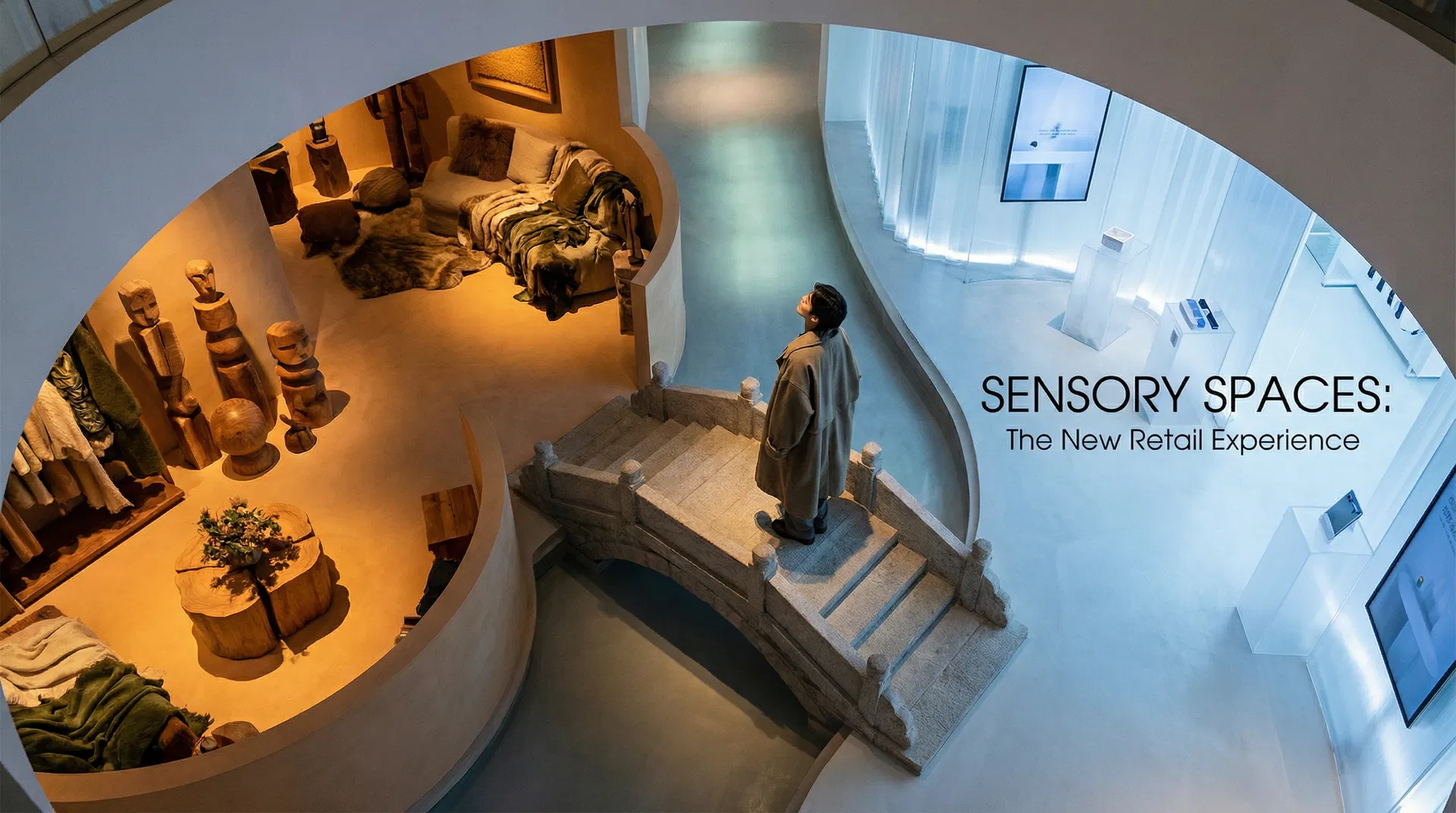
The implications for physical retail are profound. If luxury is a philosophy rather than a price point, then the luxury store must be a physical expression of that philosophy, not merely an expensive-looking environment.
This is where many brands go wrong. They invest in premium materials, expensive fixtures, and prestigious addresses, but they fail to create an environment that embodies the specific philosophy of their brand. The result is generic luxury: spaces that look expensive but feel interchangeable. Walk into many luxury stores and close your eyes, you could be anywhere. That is a failure of philosophy, not of budget.
The luxury stores that succeed, that create the kind of encounters customers remember and return to, are the ones where every element has been considered through the lens of the brand's specific philosophy. The space does not just look like luxury. It feels like this luxury. This brand's particular way of seeing the world, expressed in materials, in light, in the way you are greeted, in the tempo of the experience.
"The luxury store that feels like every other luxury store has already failed. Luxury is specific or it is nothing."
The Democratisation Question
There is a live debate in the industry about whether luxury can or should be democratised, whether the traditional luxury model, exclusive, expensive, restricted, is compatible with the expectations of younger consumers who value access, transparency, and inclusivity.
My view is that this debate is framed incorrectly. The question is not whether luxury should become more accessible. It is whether the philosophy that makes luxury valuable, the commitment to craft, to time, to specificity, to relationship, to coherence, can be expressed in ways that reach more people without diluting what makes it meaningful.
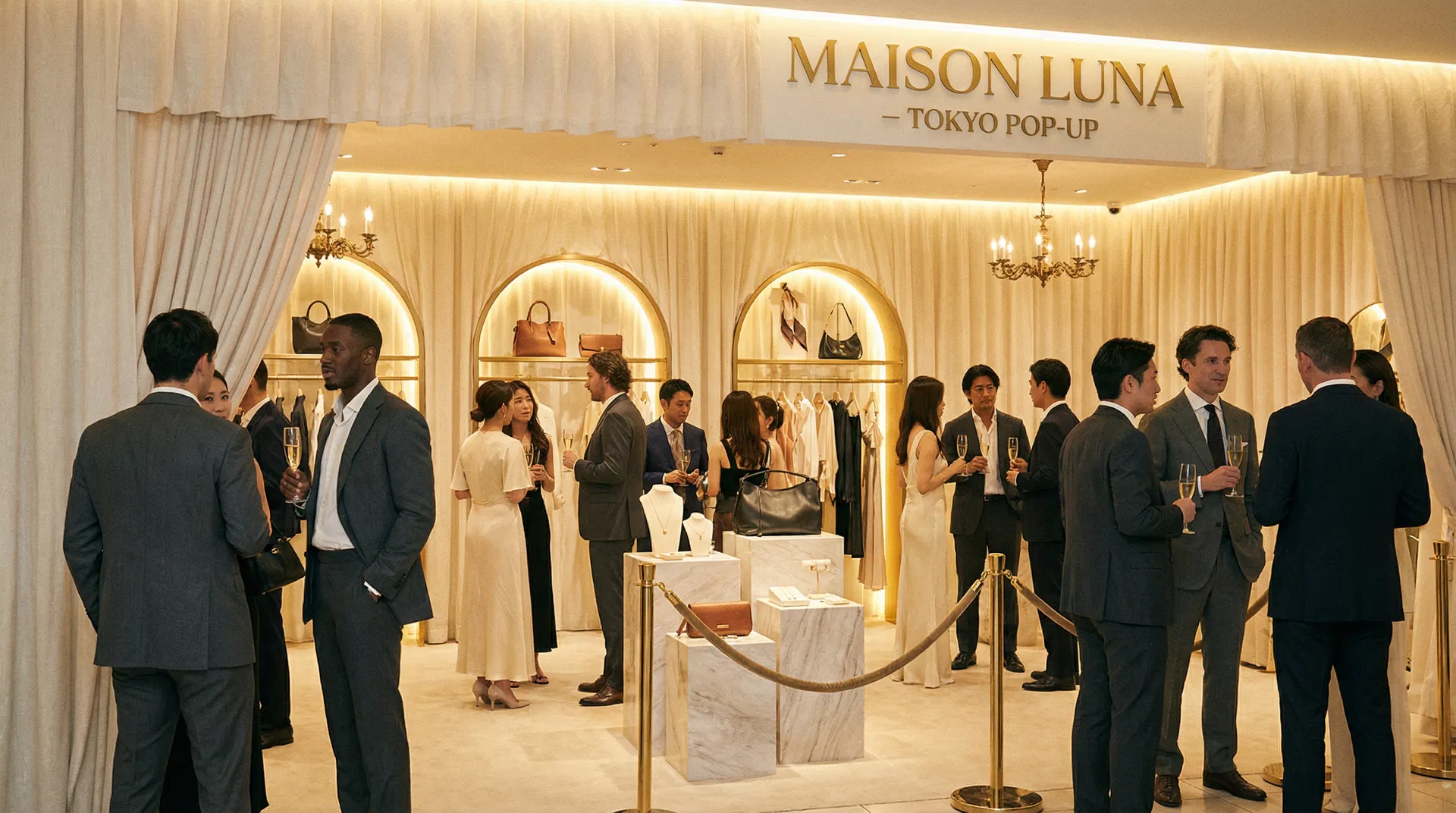
Some brands are finding ways to do this. They are creating entry points that are genuine expressions of their philosophy, not watered-down versions of their premium offer. They are using digital channels and temporary formats to create encounters with the brand that are meaningful even when they do not result in an immediate purchase. They are building communities around shared values rather than shared price points.
This is the future of luxury: not cheaper luxury, but more intelligent luxury. Luxury that understands that its value lies not in what it costs but in what it means, and that finds ways to communicate that meaning to everyone who cares to listen.
What does luxury mean to you, and which brand, if any, do you feel truly embodies a philosophy rather than a price point? I find these conversations endlessly revealing.
— CONTINUE THE CONVERSATION
Want deeper insights like this?
Ask Ghalia's Brain — 20 years of retail expertise, available 24/7 on WhatsApp. Start for free.
ASK GHALIA'S BRAIN